Vertical Turning Centers and VTLs: Buyer FAQ
Plan large-diameter turning around load, swing, height and part handling
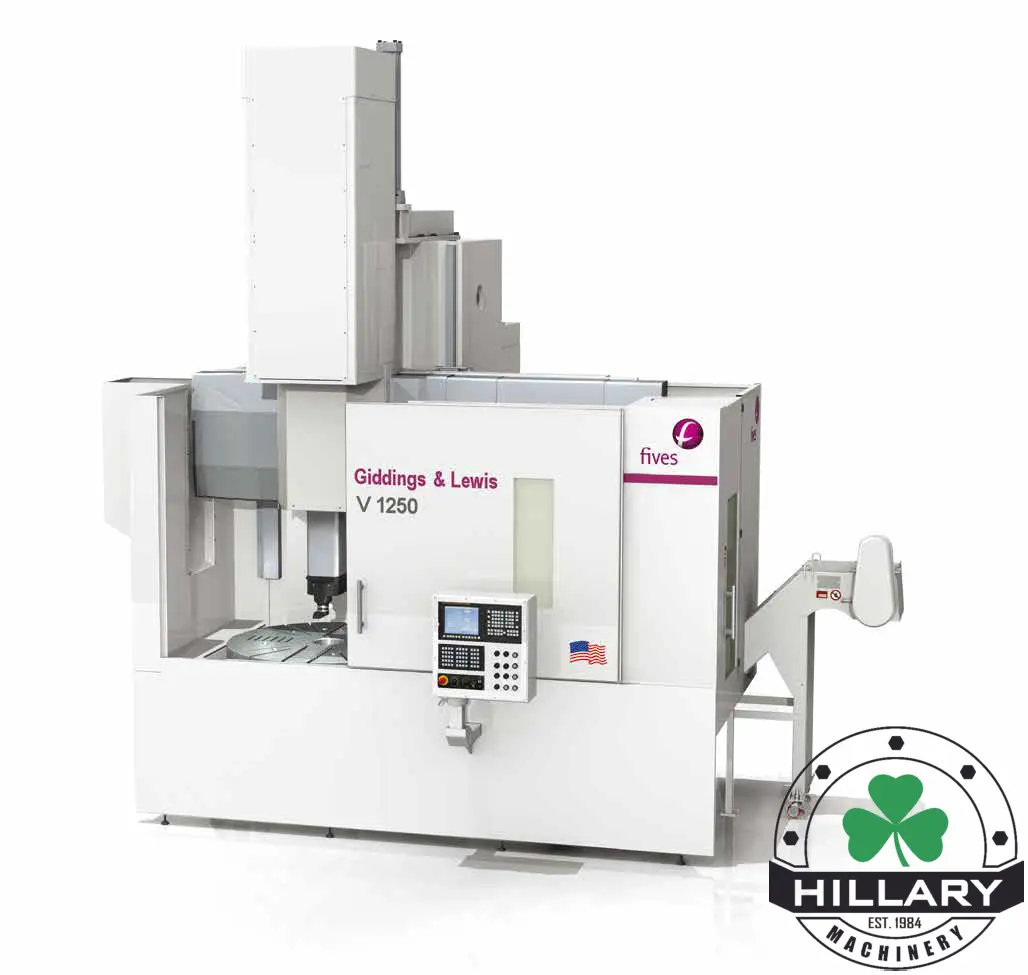
A vertical turning center supports a rotating workpiece on a horizontal table or chuck. This layout is often attractive for heavy, wide parts, but correct sizing requires the full part, fixture and tool-access envelope.
What is a vertical turning center?
Answer: It is a lathe with a vertically oriented work spindle and a horizontal rotating table or chuck. The workpiece rests on the table while tools perform turning operations. VTL, vertical turning lathe and vertical lathe are common names for this class.
Why use a VTL for heavy round parts?
Answer: A heavy, wide component can sit on the horizontal table, supported during machining and handling. That geometry may simplify setup compared with holding the same component in a horizontal chuck. The machine still needs appropriate table load, workholding and dynamic balance.
What parts commonly suit vertical turning?
Answer: Examples include large rings, flanges, valve bodies, housings and other large-diameter components. Evaluate the actual diameter-to-height ratio, material, features and loading method; not every round part is best made vertically.
What is the difference between VTL and VTC?
Answer: VTL usually means vertical turning lathe; VTC usually means vertical turning center. Usage overlaps, and a turning center may emphasize powered tooling or more integrated operations. Check the actual axes, ram, tool changer and spindle options.
Can a VTL drill or mill?
Answer: Some vertical turning configurations offer live spindles or powered tools for drilling, milling and tapping. C-axis positioning and tool orientation may be required for the intended features. These options are model-specific and should be included explicitly in the quote.
How do I size table, swing and turning height?
Answer: Measure the raw blank, fixture and jaws, then compare maximum allowable table load, swing, part height and ram clearance. Leave room for the full tool assembly and any raised crossrail position. A nominal chuck diameter alone does not establish workpiece capacity.
What workholding questions should I ask?
Answer: Review how the part will be centered, clamped and supported during roughing and finishing. Consider irregular mass, jaw travel, clamping force, safe rotational speed and repeatable location after any transfer. Workholding can determine whether the process is practical.
How does loading affect the choice?
Answer: Heavy parts may need an overhead crane, lifting fixtures and enough clearance above and around the machine. Include crane reach, opening size, operator access, loading time and safe part removal in the production plan.
When is a horizontal turning center better?
Answer: A smaller or long shaft-like part may be easier to hold and support horizontally, especially with bar feeding, tailstock or steady rests. Compare part handling and the complete cutting route rather than assuming a vertical machine is required by diameter alone.
Can a VTL support repeat production or automation?
Answer: Yes, depending on machine and part. Repeatable fixtures, tool management, gauging and loading equipment can reduce noncutting time. The economics depend on volume, part weight, cycle time and whether material handling can be safely standardized.
Application review checklist
- Record maximum blank diameter, finished swing, height and part weight.
- Include fixture or jaws and the required lifting method.
- Mark any off-center drilling, milling or back-face operations.
- Confirm table load, ram reach and the quoted tooling package.
Explore machines and discuss your application
Hillary Machinery supports manufacturers across Texas, Oklahoma, Arkansas, Louisiana, Mississippi, Alabama and Tennessee. Specific models and availability should be confirmed for your location and application.
Email your part drawing and requirements or call 972-578-1515.