Vertical Machining Centers: A Practical Buyer FAQ
Match a VMC to the complete workpiece, fixture and cutting process
A vertical machining center is a versatile choice for milling, drilling, tapping and contouring. The details that decide fit are the loaded work envelope, spindle and tool capacity, and how often the part must be repositioned.
What does VMC mean?
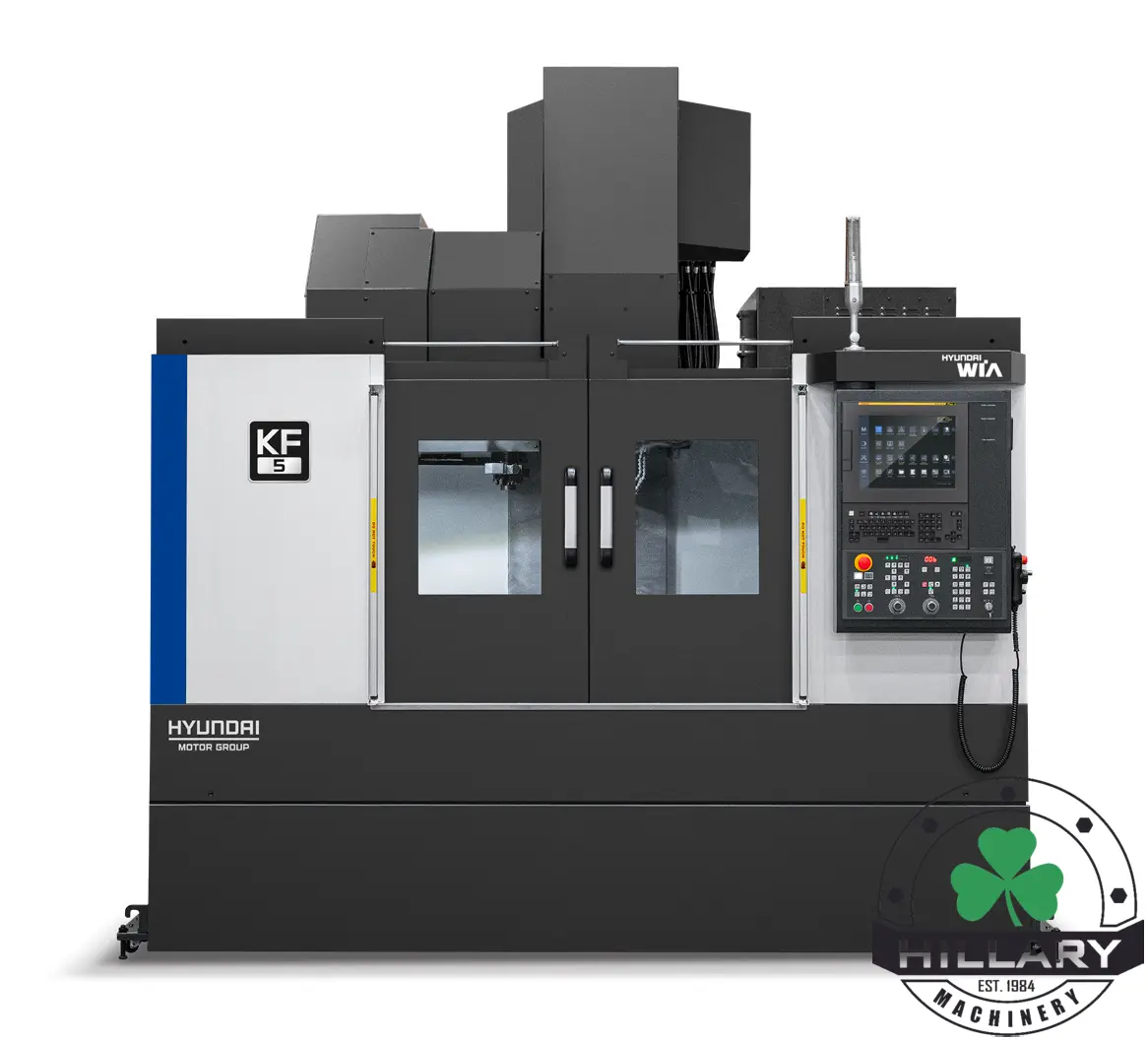
Answer: VMC means vertical machining center. Its spindle points downward toward the workpiece, and the CNC controls axes and an automatic tool changer to perform several operations in one programmed cycle. A VMC can mill, drill, tap, bore and contour within its capacity.
How is a VMC different from a basic CNC mill?
Answer: The terms overlap, but machining center usually emphasizes an enclosed CNC machine with an automatic tool changer and production-oriented operation. Compare the actual control, tool capacity, spindle and enclosure rather than relying on a product label alone.
What kinds of parts suit a VMC?
Answer: Fixtures, plates, housings, brackets, molds and many prismatic parts are common candidates when the required features are accessible from above. A VMC also works for prototypes and repeat production, but part weight, tool reach and setup count determine the specific configuration.
How much X, Y and Z travel do I need?
Answer: The machine must clear the complete setup, not just the finished part. Include raw stock, clamps, fixture plates, toolholders, tool change clearance and any rotary unit. Check that the spindle can reach every feature without exceeding travel or losing access at the edges.
Should I buy a CAT40 or CAT50 VMC?
Answer: CAT40 is common for flexible general-purpose and higher-speed work; the larger CAT50 interface is often chosen for larger cutters and heavy cuts. Compare spindle torque, machine structure, material, cutter diameter and existing toolholders. Taper alone does not determine the machine’s cutting capability.
When do box ways or linear guides matter?
Answer: Guideway design influences the machine’s behavior under particular loads and feed demands. Heavy roughing and high-speed contouring can favor different machine packages. Judge complete machines by the required material removal, finish, cycle time and measured performance rather than one construction feature.
Can a fourth axis reduce setups?
Answer: A rotary table can index or rotate a part to expose another side, potentially reducing reclamping. Confirm table load, space lost to the rotary and fixture, control compatibility, work offsets and tool access. A fourth axis does not make a conventional VMC equivalent to every 5-axis configuration.
When is an HMC or 5-axis center a better fit?
Answer: An HMC deserves comparison when multi-face production, pallets and chip evacuation drive throughput. Five-axis becomes more relevant for compound angles and surfaces requiring varied tool orientation. A VMC remains attractive when its accessible work and simpler fixture process meet the production target.
Can a VMC use robotic tending or pallets?
Answer: Yes, if the door, control, part presentation, fixturing and safety design support the integration. A pallet system or robot may increase productive spindle time, but tool life, chips and in-process checks still need a workable plan.
What should be compared before a VMC quote?
Answer: Provide a drawing, material, raw stock, part weight, tolerances, batch size and preferred tooling. Compare travels, table load, spindle power and speed, tool magazine, coolant, probing, service access and the proposed cycle. Confirm the exact quoted machine configuration.
Application review checklist
- Measure part plus fixture, clamps, rotary table and longest cutting tool.
- Compare required metal removal, spindle torque and speed using a real part.
- Check loading, chip evacuation, probing and automation requirements.
- Request an application review if multi-face setups dominate the cycle.
Explore machines and discuss your application
Hillary Machinery supports manufacturers across Texas, Oklahoma, Arkansas, Louisiana, Mississippi, Alabama and Tennessee. Specific models and availability should be confirmed for your location and application.
Email your part drawing and requirements or call 972-578-1515.