
CNC Turning Centers: Buyer Questions
Select a turning process around part geometry, workholding and production volume
Turning centers rotate a workpiece while programmed tools remove material. A useful comparison starts with the complete part and process, then adds only the capacity and features needed to complete it reliably.
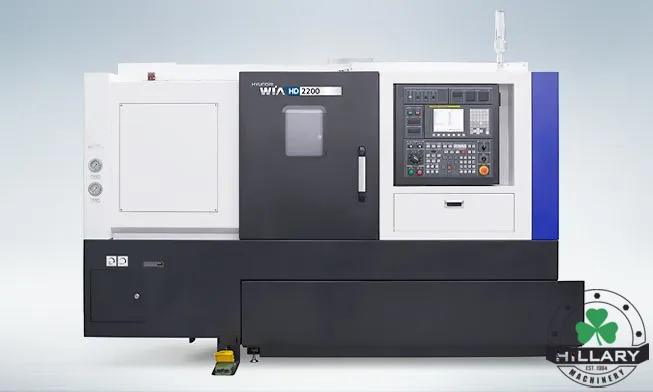
What is a CNC turning center?
Answer: It is a computer-controlled machine that rotates a workpiece while cutting tools perform operations such as facing, diameter turning, boring, grooving and threading. Turning-center configurations range from straightforward X/Z machines to live-tool and multi-axis systems.
How is a turning center different from a CNC lathe?
Answer: The terms overlap in everyday use. Turning center often implies a production-oriented CNC lathe with features such as a turret, enclosure and automation options. Compare the actual spindle, axes, workholding, tooling and control rather than assuming a fixed distinction from the name.
What can a 2-axis turning center make?
Answer: It is well suited to many round or cylindrical parts whose features can be reached with X and Z tool movement, including shafts, bushings, sleeves and fittings. Parts requiring cross-holes, milled flats or work on the back face may need secondary equipment or additional machine capabilities.
How do I size chuck and bar capacity?
Answer: Chuck size alone does not establish what part can be finished. Check raw-stock diameter, spindle bore or bar capacity, jaw setup, maximum turning diameter and length, and tool clearance. For bar-fed work, verify the full feeding and part-removal arrangement.
When do I need a tailstock or steady rest?
Answer: Longer or more slender workpieces may need support to control deflection and chatter during cutting. The choice depends on length-to-diameter ratio, material, cutting force and where features must be machined. Check how the support affects tool access and setup time.
When should I add live tooling?
Answer: Powered tools are worth evaluating when turned parts also require drilling, tapping or milled features that would otherwise need another setup. Confirm C-axis positioning, tool orientation and whether Y-axis motion is needed for off-center work.
What does a sub-spindle change?
Answer: On a suitable machine and part, a sub-spindle can receive the workpiece and machine the back face without manual transfer. Check grip length, part transfer, required operations and synchronization; not every part can be completely finished in one cycle.
Can a turning center be automated?
Answer: Yes, depending on the configuration, with bar feeding, gantry loading, robotic tending or other handling. The plan must include chip control, tool life, part presentation, gauging and safe unloading of good and rejected parts.
How should I evaluate accuracy and surface finish?
Answer: Review tolerance and finish on the specific features, then consider spindle condition and thermal behavior, chucking force, tool overhang, material and cutting strategy. A machine’s catalog specification is only one input to a stable process.
What should I send Hillary Machinery to choose a turning center?
Answer: Send drawings, material, raw stock, finished dimensions, tolerances, annual volume and the current route. Identify secondary milling, back-working, support and automation requirements. That information allows a comparison of 2-axis, live-tool and multi-axis alternatives.
Application review checklist
- Bring part drawings, raw stock, material, tolerance and batch-volume details.
- Check complete chuck, jaws, tools and tailstock clearance within the envelope.
- Mark every feature needing milling, off-center work or back-working.
- Compare the total route, including loading and secondary operations.
Explore machines and discuss your application
Hillary Machinery supports manufacturers across Texas, Oklahoma, Arkansas, Louisiana, Mississippi, Alabama and Tennessee. Specific models and availability should be confirmed for your location and application.
Email your part drawing and requirements or call 972-578-1515.