Bridge Mills and Traveling-Column Machining Centers
Understand machine layout before choosing a large-part machining solution
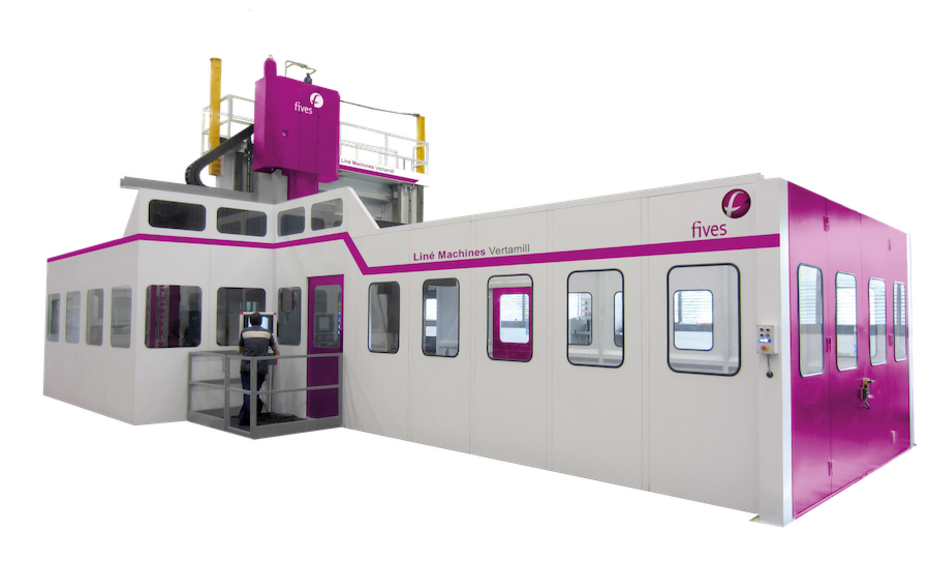
Bridge and traveling-column machines are different architectures, even though both can be used for large workpieces. The right choice depends on part size, cutting access, motion, floor space and how the component will be loaded.
Is a bridge mill the same as a traveling-column machine?
Answer: No. A bridge-type machine supports the spindle system on a structure spanning the work area. A traveling-column machine moves a column along its bed to reach the part. Both labels encompass different designs, so compare actual motion and workholding.
What is a double-column bridge mill?
Answer: It uses two columns and a cross structure to support a spindle or ram over a wide machining area. It is often considered for large molds, bases, plates or fabrications. Its usable capacity depends on column clearance, table load, spindle reach and the complete fixture.
Does the worktable move on every bridge mill?
Answer: No. Some bridge mills move the worktable; gantry-style machines can move the bridge or portal over a fixed workpiece. The motion choice affects floor layout, foundation, loading and how much mass moves during cutting. Confirm the exact design rather than assuming one arrangement.
How is a traveling-column layout useful?
Answer: A moving column can provide long reach along a bed while the workpiece remains on a fixed table or floor plate, depending on design. It may support long parts or more than one work zone. Check column travel and access to every feature.
When is a bridge layout a good fit?
Answer: It is worth comparing for wide, heavy workpieces or processes needing a broad stable machining envelope. The part must pass between or beneath the structural members and still leave room for the head, tools and fixtures. Evaluate both roughing and finishing.
What is the difference between bridge and gantry?
Answer: Usage varies by manufacturer. Bridge often describes the spanning structure; gantry frequently describes a portal that travels over a work area. Some products use both terms. The purchase specification should identify which axes move, table arrangement and load path rather than relying on the name.
Can these machines perform five-axis work?
Answer: Some large-part machines can use orienting heads, rotary tables or other multi-axis configurations. Availability depends on the model. Confirm the required tool angles, rotary range, programming and collision envelope before specifying a 5-axis process.
How do I check column clearance and tool reach?
Answer: Measure the part plus fixture and lifting clearance, then check distance between columns, under-bridge height, ram or spindle reach and usable travels. Verify every programmed tool position, including long toolholders and angled heads.
Which spindle or tool taper is appropriate?
Answer: Choose using cutter size, material, reach and duty cycle. CAT40 can suit lighter or faster work; CAT50 and other larger interfaces are often considered for heavy cuts or long assemblies. Compare machine power, torque and structural behavior together.
What installation questions matter most?
Answer: Review floor and foundation loads, overall machine footprint, crane or forklift access, chip and coolant systems, enclosure, power and service access. Large-part machines may require site-specific planning; request a layout based on your facility and the exact proposed model.
Application review checklist
- Provide the largest part and fixture envelope, mass and material.
- Mark all required faces, long travels and angled tool approaches.
- Check load path, crane access, foundation, enclosure and service space.
- Request a layout and process review for the exact machine proposed.
Explore machines and discuss your application
Hillary Machinery supports manufacturers across Texas, Oklahoma, Arkansas, Louisiana, Mississippi, Alabama and Tennessee. Specific models and availability should be confirmed for your location and application.
Email your part drawing and requirements or call 972-578-1515.